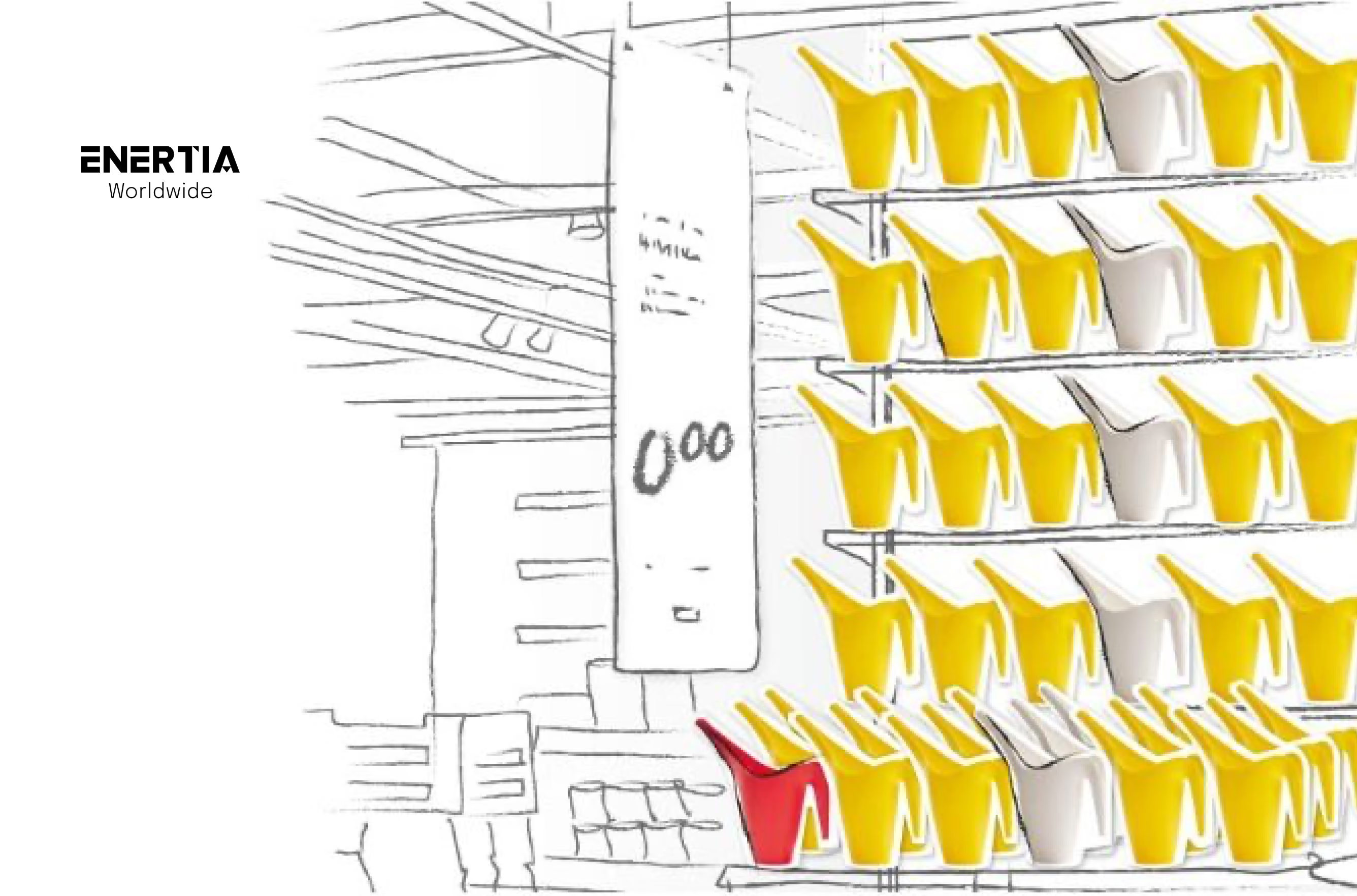
Beyond Sales Volume: Recognizing Product Display, Merchandising and In-Store Execution
Sales figures tell businesses how much they sell, but they do not always explain what happens at the point of sale. A product may be available in a store yet remain poorly displayed, difficult to find, or overlooked by shoppers. For brands working with distributors, dealers and retail partners, this makes sales volume only one part of the picture. In-store execution also deserves attention when designing effective incentive programmes.
Why Sales Volume Alone Is Not Enough
Sales targets are a familiar way to measure performance. They help businesses track revenue, compare results across locations, and assess progress towards commercial goals. However, sales outcomes can be influenced by several factors, including local demand, product availability, pricing, and competition.
This means two retail partners may deliver different sales results even when they put in comparable effort. One may operate in a high-demand market, while another may invest time in maintaining product displays, keeping shelves organised and ensuring products remain visible to customers. Recognising only sales volume can leave these other contributions out of the picture.
For brands that depend on channel partners to represent their products, a broader approach to performance recognition can help align incentives with the activities that support their wider business objectives.
The Role of Product Display and Merchandising
Product visibility influences how easily shoppers can find and consider items in a store. Clear displays, appropriate product placement, and well-maintained shelves can help products stand out and make the shopping experience easier to navigate.
Merchandising also involves maintaining agreed display standards, organising products correctly, and ensuring promotional materials are used as intended. These activities may not produce an immediate, measurable increase in sales, but they can support brand consistency and improve how products are presented across retail locations.
For businesses working with dealers and distributors, recognising these efforts can encourage partners to pay attention to execution as well as commercial results. The key is to define clear expectations and establish practical ways to verify that the required activities have been completed.

Turning In-Store Execution into a Measurable Effort
Recognising merchandising activity requires more than simply asking partners to maintain displays. Businesses need clearly defined criteria for what successful execution looks like.
For example, a brand could establish guidelines for product placement, promotional material visibility, or the completion of an agreed display setup. Depending on the programme, partners might submit photographs, complete verification steps, or provide other evidence of execution.
These activities can then be linked to a structured incentive programme, where eligible participants earn recognition or rewards for meeting specified requirements. The rules should be transparent, consistent, and appropriate to the activity being encouraged.
This approach does not mean replacing sales targets. Instead, it allows businesses to recognise a wider range of contributions while keeping incentives aligned with their commercial priorities.
Connecting Recognition with Loyalty and Incentives
Once execution activities are defined, businesses need a reliable way to manage participation, track qualifying actions, and deliver rewards. When these processes rely heavily on manual coordination or disconnected systems, maintaining consistency across a large partner network can become difficult.
This is where loyalty and incentive technology can help. At Enertia, we support businesses with connected loyalty and rewards solutions designed to manage participant engagement, reward mechanisms, redemption, and fulfilment. These capabilities can support incentive programmes that recognise eligible partner activities alongside sales performance, subject to the programme's design and verification requirements.
By linking incentives to specific business objectives, brands can make it clearer to partners which activities are valued and how those efforts are recognised.
Building a More Complete View of Performance
Recognising product display, merchandising and in-store execution alongside sales gives businesses a broader way to approach channel partner engagement.
At Enertia, we help businesses build and manage loyalty and incentive programmes that connect partner engagement with meaningful rewards. Through reward management and fulfilment, businesses can recognise eligible activities alongside sales performance, creating a more structured approach to channel engagement. This helps align recognition with the contributions that support wider business objectives.