Loyalty Program Fraud and Points Abuse: Risks Businesses Need to Know
Loyalty programmes are designed to give customers a reason to come back. Points, rewards, tiers, cashback and referral benefits make engagement more valuable for both customers and businesses. But once a programme starts holding real value, it can also become a target for fraud and abuse.
The Growing Risk Behind Loyalty Programmes
Loyalty fraud does not always involve someone breaking into an account. It can include people creating multiple accounts to claim the same incentive, referring themselves to rewards or finding gaps in how points and promotional benefits are awarded. These features are useful for engagement, but they also need controls because they directly give value to users.
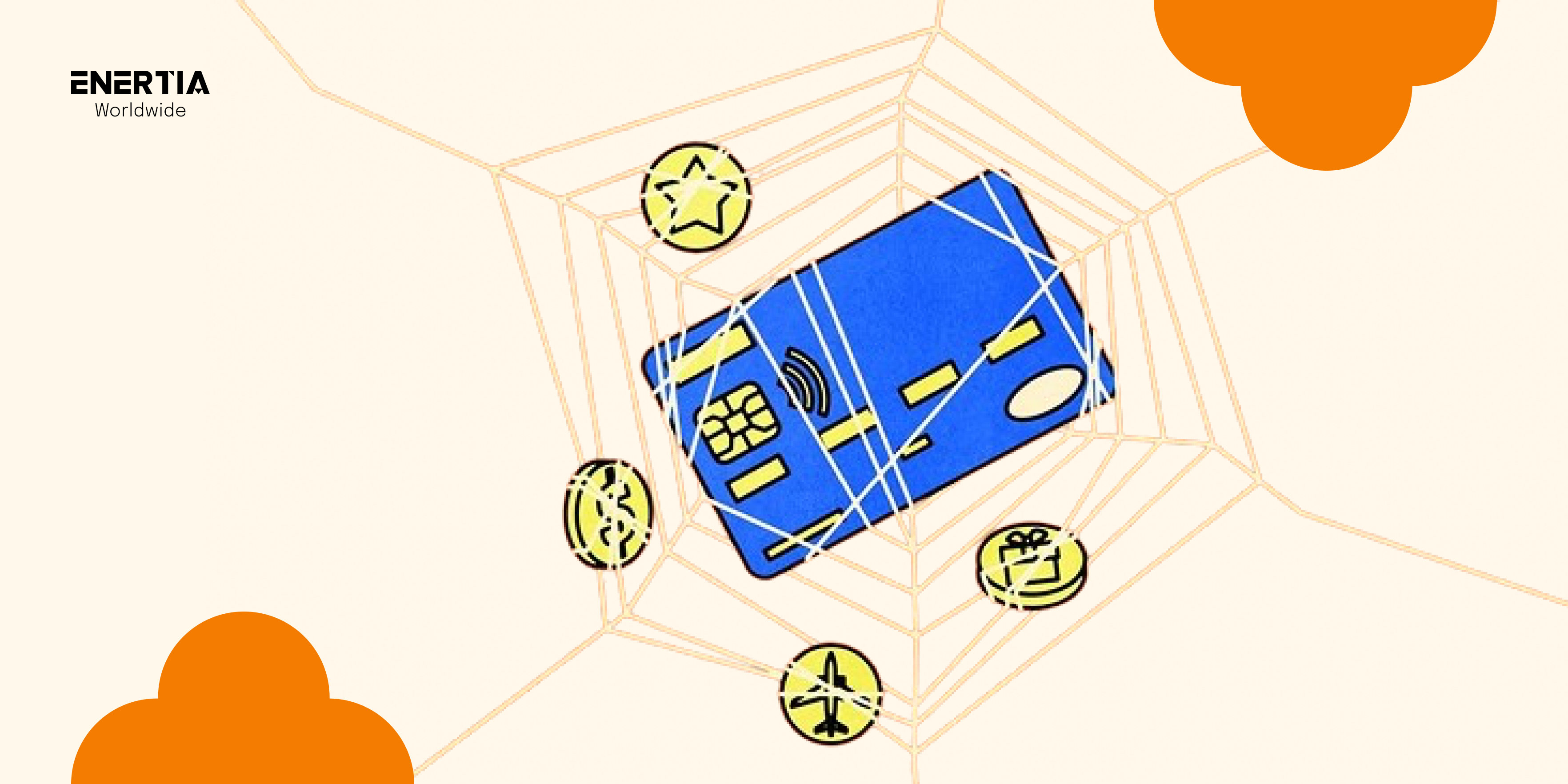
Stolen points are another part of the picture. If a loyalty account is compromised, its points may be redeemed or transferred by someone who should not have access to them. Phishing, stolen credentials, and credential stuffing can all be used to gain unauthorised access to online accounts. For a loyalty programme, that means the risk is not limited to customer information. The rewards sitting in those accounts have value, too.
Where Points Abuse Happens
There is another issue that can be easy to miss: the programme can be manipulated without an account being compromised. Imagine points being added as soon as a purchase begins. If the customer then removes items or cancels the transaction, the points could remain in the account if the system does not properly reverse them. OWASP specifically uses loyalty points as an example of why business processes need to be checked at every stage.
This is why secure logins alone are not enough. Businesses also need to look at the rules behind earnings, referrals, bonuses, and redemptions. Rate limits, identity signals, audit trails and controls around rewards can make it harder to repeatedly exploit features that are meant to provide value.
Why Security Alone Isn't Enough
The tricky part is that unusual activity is not always fraudulent. A customer redeeming a large number of points could simply be using rewards they have legitimately earned. A sudden increase in activity may also have a perfectly reasonable explanation. What matters is the wider picture. Looking at patterns across accounts, devices, transactions and redemption behaviour can help businesses spot activity that needs a closer look.
There is a customer side to this as well. If someone loses points or finds their account compromised, they are unlikely to think of it as just a technical problem. They see it as a problem with the brand they trusted. Protecting a loyalty programme therefore means protecting more than its reward budget. It also means protecting the relationship the programme was created to build.
The Impact Goes Beyond Lost Points
The risk does not stop with activity inside the loyalty platform. In April 2026, the US Federal Trade Commission warned about phishing texts that falsely claimed rewards points were about to expire. The messages directed people to links that could steal personal information or download harmful software.
For brands, it is a useful reminder that a familiar rewards programme can also become part of a scam. Customers may receive messages that look convincing simply because they recognise the programme name or the idea of their points expiring.
Building Fraud Controls into the Programme
The best time to think about fraud controls is before the programme goes live, not after something goes wrong. Businesses need to check how points are earned and reversed, protect account access, monitor unusual activity, and keep useful records of reward-related actions. Referral, bonus, redemption, and transfer rules also need to be tested for ways they could be misused.
At the same time, security should not make a loyalty programme frustrating to use. Too many checks can get in the way of genuine customers, while too few can leave valuable features open to abuse. The aim is to make suspicious activity harder without making normal activities harder.
How Enertia Helps Build Safer Loyalty Programmes
As rewards move from points to redemption and payouts, businesses need to think about the whole journey rather than just the point at which rewards are issued. Enertia supports different parts of that journey through solutions such as eNexus, which enables points redemption, and Paynetics, which supports converting points into money through bank transfers.
That wider view matters because points are not just a way to encourage engagement. They represent value. How that value is earned, managed, and ultimately used needs to be considered as part of the programme itself.
A loyalty programme should give customers a reason to return, not give businesses a reason to wonder where their reward budget went. As loyalty programmes become more valuable, protecting that value needs to be part of the strategy from the start.