How Security Builds Trust in Modern Loyalty Programs
Loyalty programs depend on a simple exchange: participants share information and engage with a brand in return for rewards and benefits. That exchange only works when people feel confident that their data and rewards are being handled securely. As loyalty programs become more connected and digital, security is becoming an important part of the experience rather than something that sits quietly in the background.
Trust Starts with Data
Every loyalty interaction can generate valuable information, from account details and purchase activity to points earned and rewards redeemed. When this information moves between different systems, businesses need to ensure it is protected throughout the journey.
Strong data security helps businesses protect participant information while also creating confidence in the program. When people trust that their information is being handled responsibly, they are more likely to engage consistently and make greater use of the services available to them.
Rewards Need to Feel Secure
Security also matters at the moment a participant receives value from a program. Whether a reward is redeemed through a digital voucher, physical product, or payout, participants expect the process to be accurate and reliable.
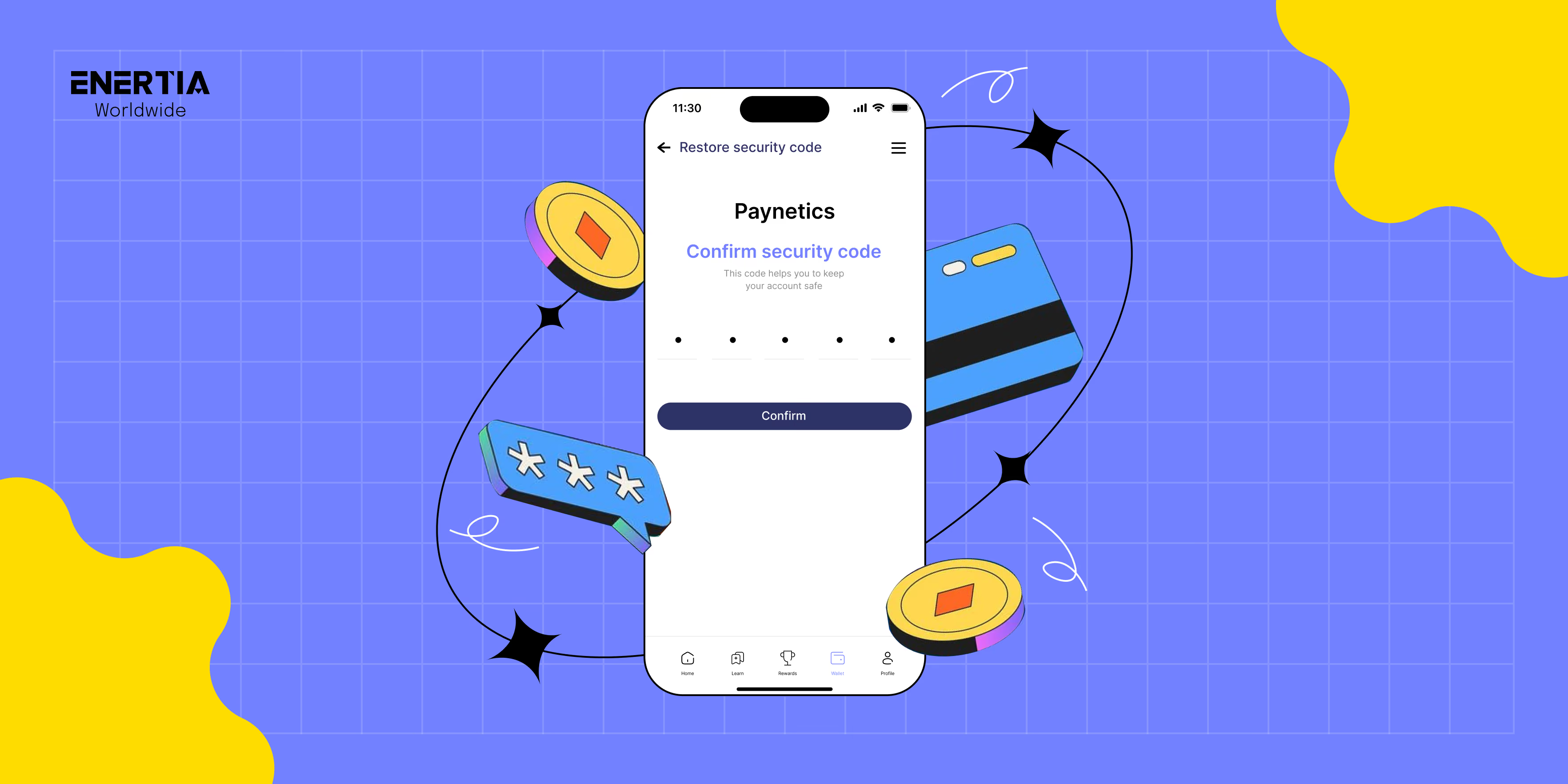
For programs involving financial rewards, this becomes even more important. Enertia's Paynetics, for example, uses KYC verification, encryption, and secure authentication to support reward payouts through bank transfers across GCC and South Asian markets.
Connected Systems Strengthen Control
Modern loyalty programs rarely operate through a single system. They may connect participant data, earning rules, rewards, fulfilment, payments, and reporting across multiple platforms. Each connection also needs appropriate controls to protect the information being exchanged.
A connected ecosystem can make this easier to manage by giving businesses greater visibility across the program. Enertia brings loyalty, payments, engagement, fulfilment, and reporting together across its ecosystem, helping reduce the fragmentation that can make monitoring and managing programs more difficult.
Security Supports Better Experiences
Security and customer experience are sometimes treated as separate priorities, but they are closely connected. A participant who sees an unexpected transaction, experiences a reward issue, or has concerns about how their information is being used may quickly lose confidence in the program.
Reliable security processes help reduce these risks while creating a smoother experience behind the scenes. Paynetics, for instance, provides transaction status updates and verifies failed transactions to help prevent incorrect deductions or reward issues.
Compliance Builds Confidence
As loyalty programs expand across markets, businesses also need to consider different regulatory and compliance requirements. Managing these expectations consistently becomes increasingly important when programs involve payments, personal information, and multiple technology partners.
Enertia highlights certified security and compliance standards as part of its infrastructure, reflecting the importance of structured security practices when operating connected loyalty ecosystems across markets.
Building Trust into Loyalty
Security is ultimately about more than protecting systems. It is about protecting the relationship between a business and the people participating in its loyalty program. When participants can earn, redeem, and receive rewards with confidence, every interaction reinforces that relationship.
As loyalty programs become more digital, connected, and cross-border, businesses cannot treat security as an afterthought. Building secure infrastructure into the program from the beginning helps create the reliability and confidence needed for stronger engagement and long-term loyalty.