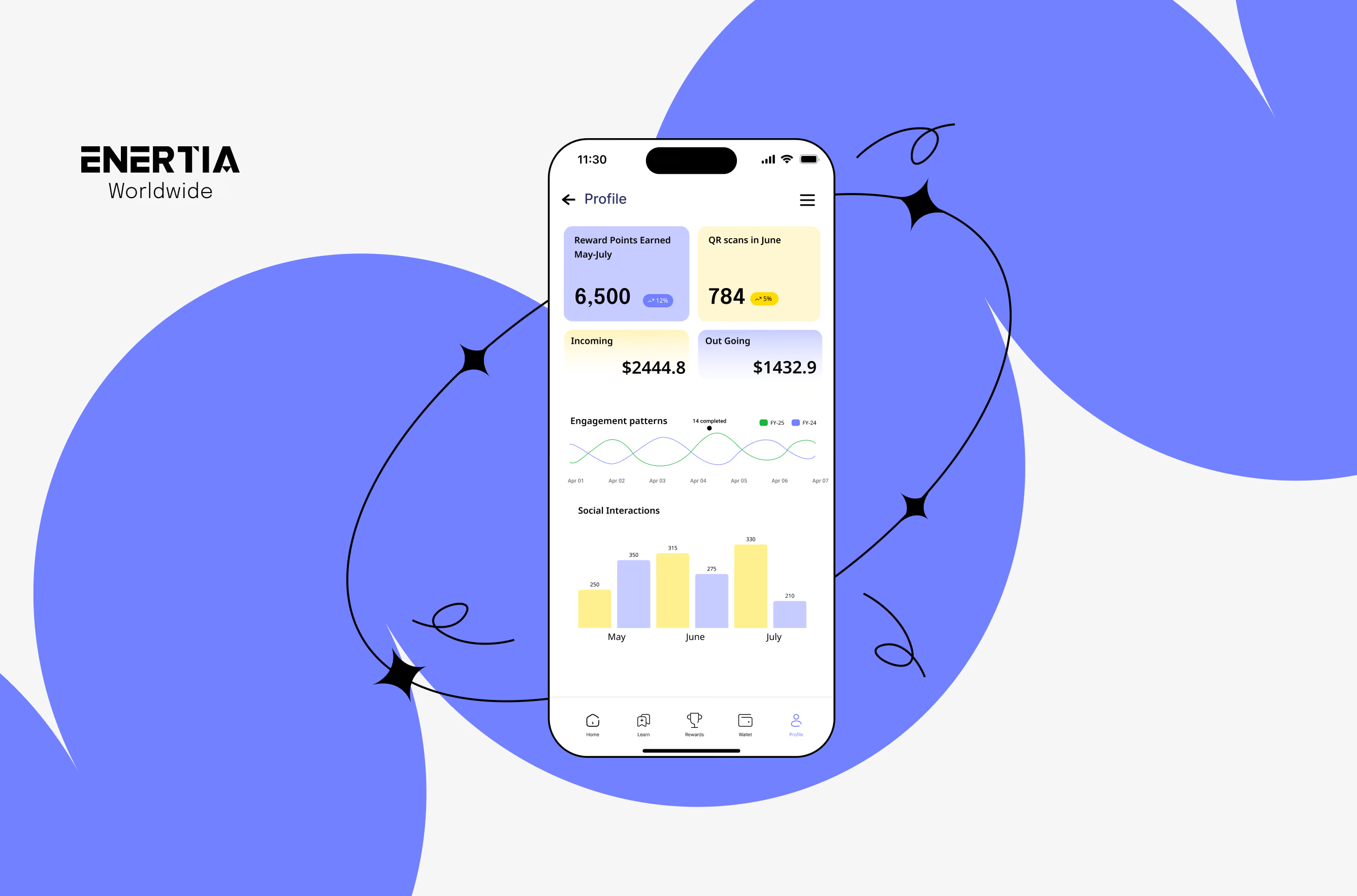
How Much Personalization Does a Loyalty Program Really Need?
Personalization has become a defining feature of loyalty programs. Purchase history, engagement patterns, reward preferences, and redemption behaviour can make experiences more relevant. But does a loyalty program need to personalize everything?
The answer is no.
Effective personalization is not about creating a completely different experience for every participant. It is about using the right information at the right moment to make loyalty more useful, relevant, and meaningful.
Start With What Matters
Not every data point needs to influence every interaction. The value of personalization comes from identifying the signals that genuinely help a brand understand what its participants want.
Purchase frequency, reward preferences, redemption behaviour, and engagement levels can help shape more relevant offers and communications. These signals can help brands shape offers and communications around what participants are likely to value.
For example, a participant who regularly redeems travel-related rewards may respond better to relevant travel offers than a generic promotion sent across the entire loyalty base. The objective is not to personalize more. It is to personalize with purpose.
Relevance Over Complexity
A common misconception is that more personalization automatically creates a better loyalty experience. In reality, excessive personalization can make interactions feel complicated, repetitive, or even intrusive.
Personalization also needs to affect the experience, not just its appearance. Adding a participant’s name to a message may technically be personalized, but it does not necessarily make the interaction more valuable.
The stronger approach is to use behavioural signals to make meaningful decisions: which reward surface, when to communicate, what incentive to offer, or how to make redemption easier.
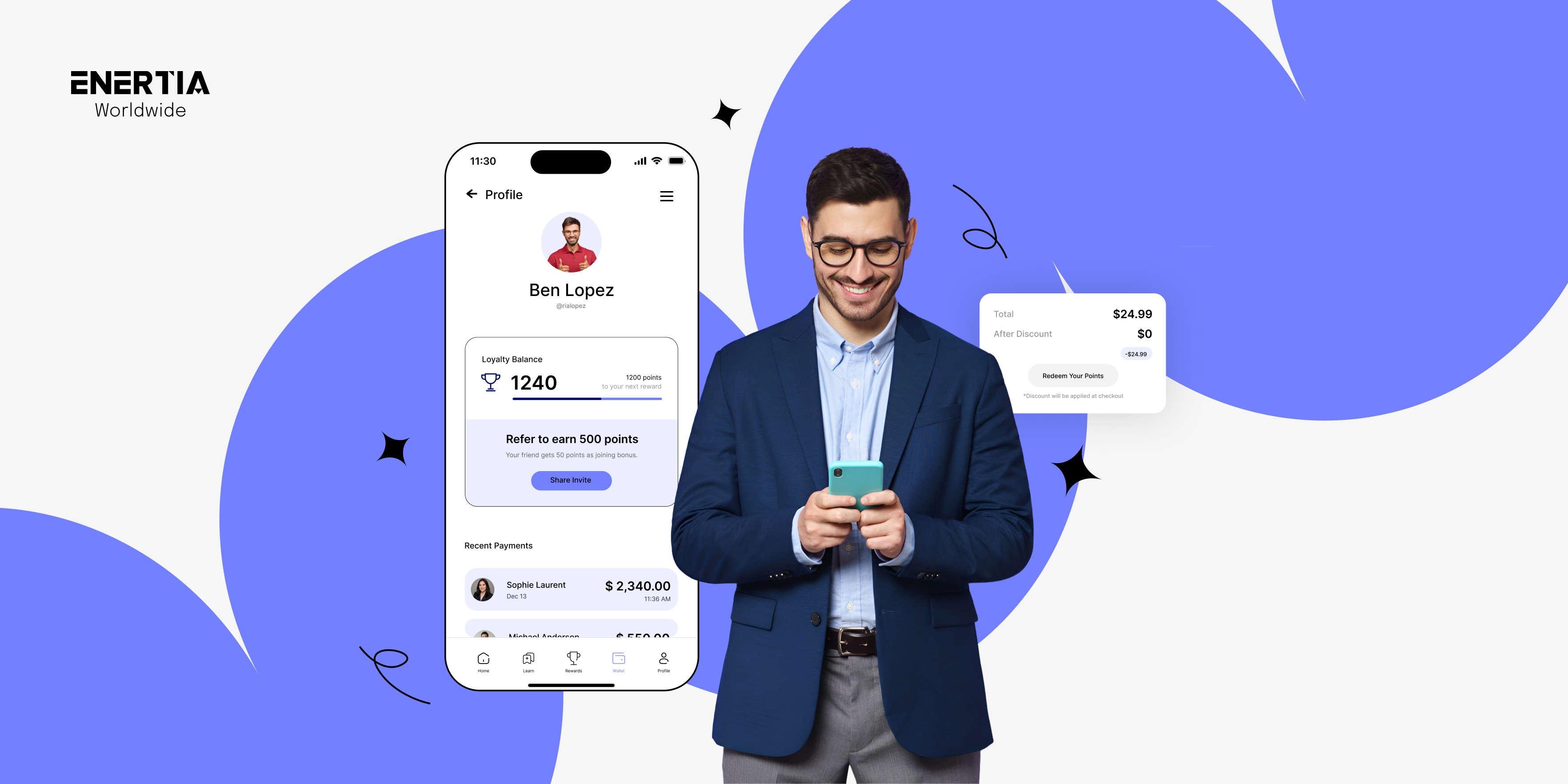
Behaviour Can Tell You More
One of the most useful sources of personalization is not what participants say they want, but what they do.
Redemption patterns, purchase frequency, reward preferences, and engagement can reveal what participants value over time. These behaviours can help brands move beyond assumptions and make personalization more contextual.
A participant who frequently engages with a particular reward category, for instance, may be more receptive to similar rewards in the future. Likewise, changes in engagement can signal when a participant may need a different incentive or experience.
The goal is not to predict every action. It is to recognize meaningful patterns and use them to improve the next interaction.
Data Only Matters When You Can Act on It
Even useful behavioural insights have limited value if the systems behind a loyalty program cannot act on them.
Personalization depends on more than data collection. Engagement, rewards, fulfilment, and payouts need to work together so that an insight can translate into an actual experience.
This is where Enertia’s connected loyalty ecosystem becomes valuable, bringing engagement, rewards, fulfilment, and payouts together so businesses can act on participant insights. When these layers work together, brands can create experiences that feel more consistent without making the underlying loyalty program unnecessarily complex.
The Right Level of Personalization
The best loyalty programs are not necessarily the ones with the most personalization. They are the ones that understand where personalization adds value and where a simpler experience works better.
For brands, this means focusing on meaningful behavioural signals, using data responsibly, and building systems that can turn insights into action. Personalization should help participants find greater value in a loyalty program, rather than make every interaction feel engineered around them.
The goal is not to personalize every possible interaction. It is to make the right interactions more relevant.
Ultimately, effective loyalty personalization is about balance: enough insight to create relevance, enough flexibility to adapt, and enough simplicity to keep the experience useful. When brands get that balance right, personalization becomes less about technology and more about creating loyalty experiences that participants genuinely value.